
www.aero-defence.tech
19
'23
Written on Modified on
NORTHROP GRUMMAN INTRODUCES ATHENA – ADVANCING SURVIVABILITY FOR ARMY AIRCREWS
Northrop Grumman’s next-generation missile warning sensor (MWS), the Advanced Tactical Hostile Engagement Awareness (ATHENA), provides a generational leap in threat detection capability.
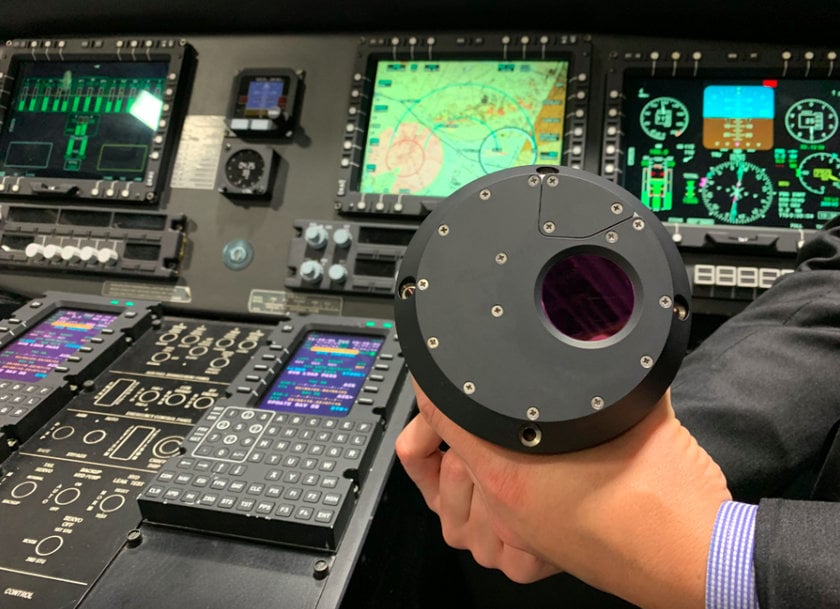
Northrop Grumman’s ATHENA sensor will deliver enhanced missile warning capabilities to protect warfighters. (Photo Credit: Northrop Grumman)
Since their introduction, Man-Portable Air Defense Systems – heat-seeking, shoulder-fired missiles – have been a persistent threat to U.S. Army aviation. Infrared countermeasures, such as Northrop Grumman’s Common Infrared Countermeasures (CIRCM), are highly effective at protecting warfighters from these threats. But CIRCM and similar systems can defeat only what they can see, and its missile warning sensors are critical to survivability. These “eyes of CIRCM” may be the unsung heroes of the countermeasure world, detecting and identifying supersonic missiles almost instantaneously.
Introducing ATHENA
ATHENA is a staring sensor, always on and keeping an eye out for threats. Setting ATHENA apart are its significant increases in resolution and processing power. In operational terms, these advances translate to additional time for warfighters and survivability systems to address threats and greater manoeuvrability. ATHENA is also able to detect threats beyond infrared-guided missiles, including hostile fire and anti-tank guided missiles.
A smarter sensor
Aside from sharper vision, ATHENA is also a smarter sensor. Onboard processing provides actionable information instantly while preserving mission computing resources for other functions. This processing power, combined with advanced software that is updated easily to address changing mission requirements, allows for additional survivability capabilities.
One of these capabilities is full spherical situational awareness. Using the multiple sensors on a standard installation configuration, the individual video feeds are seamlessly stitched together. Operators and passengers can view any point in 360 degrees around the aircraft, even “looking through” the aircraft floor.
Unparalleled missile warning expertise
Northrop Grumman has manufactured missile warning sensors since pioneering the first infrared countermeasure system. Customers worldwide now use Northrop Grumman survivability systems to protect more than 80 aircraft types. With each generation of CIRCM, the MWS has also grown in capability. ATHENA builds on these innovations to provide next-generation missile warning, survivability and situational awareness capabilities.
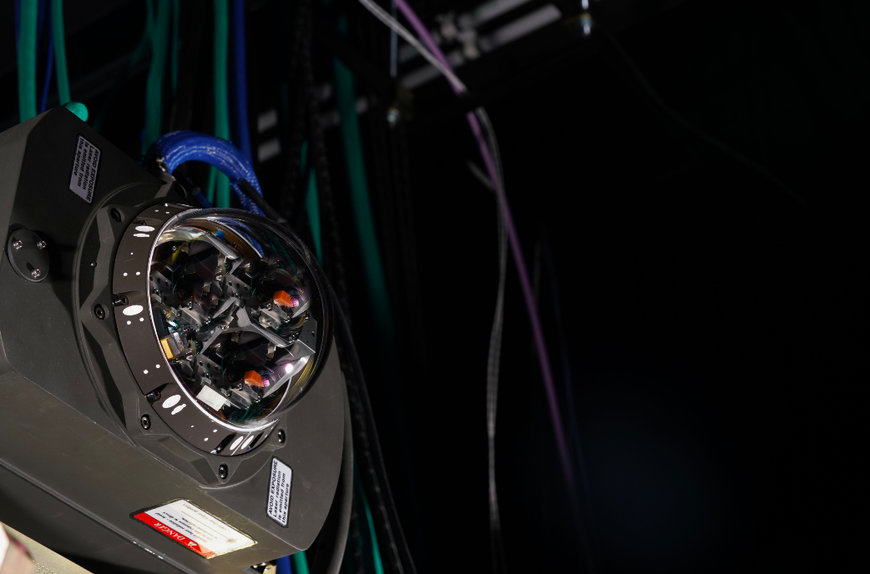
Northrop Grumman’s CIRCM is currently protecting Army helicopters. (Photo Credit: Northrop Grumman)
Since their introduction, Man-Portable Air Defense Systems – heat-seeking, shoulder-fired missiles – have been a persistent threat to U.S. Army aviation. Infrared countermeasures, such as Northrop Grumman’s Common Infrared Countermeasures (CIRCM), are highly effective at protecting warfighters from these threats. But CIRCM and similar systems can defeat only what they can see, and its missile warning sensors are critical to survivability. These “eyes of CIRCM” may be the unsung heroes of the countermeasure world, detecting and identifying supersonic missiles almost instantaneously.
Introducing ATHENA
ATHENA is a staring sensor, always on and keeping an eye out for threats. Setting ATHENA apart are its significant increases in resolution and processing power. In operational terms, these advances translate to additional time for warfighters and survivability systems to address threats and greater manoeuvrability. ATHENA is also able to detect threats beyond infrared-guided missiles, including hostile fire and anti-tank guided missiles.
A smarter sensor
Aside from sharper vision, ATHENA is also a smarter sensor. Onboard processing provides actionable information instantly while preserving mission computing resources for other functions. This processing power, combined with advanced software that is updated easily to address changing mission requirements, allows for additional survivability capabilities.
One of these capabilities is full spherical situational awareness. Using the multiple sensors on a standard installation configuration, the individual video feeds are seamlessly stitched together. Operators and passengers can view any point in 360 degrees around the aircraft, even “looking through” the aircraft floor.
Unparalleled missile warning expertise
Northrop Grumman has manufactured missile warning sensors since pioneering the first infrared countermeasure system. Customers worldwide now use Northrop Grumman survivability systems to protect more than 80 aircraft types. With each generation of CIRCM, the MWS has also grown in capability. ATHENA builds on these innovations to provide next-generation missile warning, survivability and situational awareness capabilities.
Northrop Grumman’s CIRCM is currently protecting Army helicopters. (Photo Credit: Northrop Grumman)
www.northropgrumman.com
