
www.aero-defence.tech
02
'26
Written on Modified on
Aero Norway & GE Aerospace expand CFM LEAP engine maintenance
Multi-year agreement covers LEAP-1A and LEAP-1B turbine modules, expanding third-party MRO capacity amid demand for over 18,000 engines.
www.itpaero.com
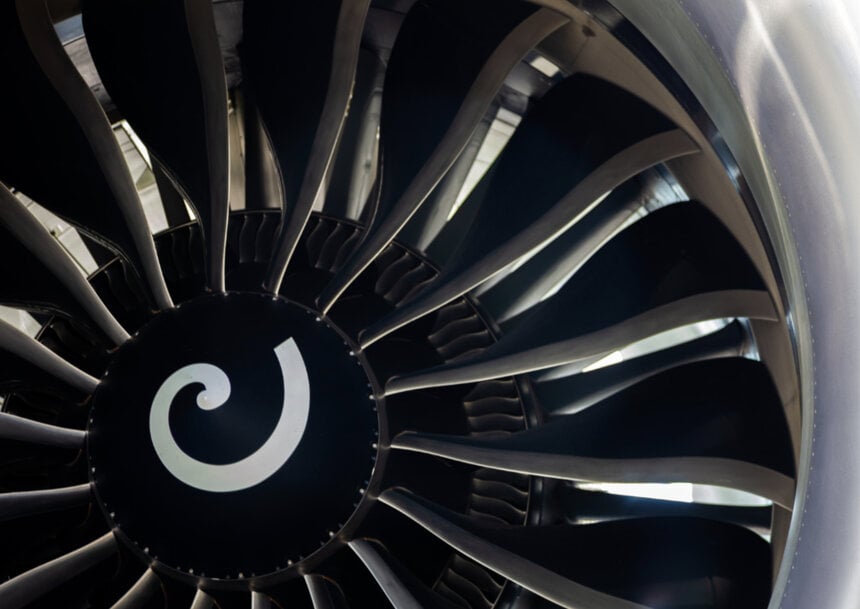
Aero Norway has entered into a multi-year shop visit offload agreement with GE Aerospace to maintain high-pressure turbine modules for commercial turbofan engines. This cooperation establishes Aero Norway as an offload maintenance partner for high-pressure turbine rotor and stage two nozzle assemblies across global commercial aviation operations.
Industrial Context and Operational Objectives
Aero Norway, an ITP Aero subsidiary specializing in maintenance, repair, and overhaul services, is expanding its industrial capabilities from legacy CFM56 architectures to the CFM LEAP platform. GE Aerospace operates an open maintenance network to distribute high-volume overhaul workloads across external qualified technical facilities.
With more than 8,000 active CFM LEAP powerplants and an order backlog exceeding 10,000 units, commercial airline flight cycles require distributed overhaul capacity to prevent maintenance bottlenecks. The agreement distributes module-level repairs across independent specialized centers to maintain depot throughput rates without requiring full core disassembly at prime manufacturing facilities.
Module Scope and Technical Responsibilities
The industrial scope specifically covers high-pressure turbine (HPT) rotor assemblies and HPT stage two nozzle configurations used in CFM LEAP-1A and LEAP-1B engines. Under the arrangement, GE Aerospace offloads designated modular assemblies directly to Aero Norway’s maintenance facilities.
Aero Norway handles component disassembly, dimensional inspection, structural restoration, and reassembly according to original equipment manufacturer specifications and airworthiness standards. Restricting the shop visit envelope to modular hot-section assemblies allows targeted component repair cycles, which lowers turnaround time compared to full-engine overhaul tracks.
Integration within Open Maintenance Networks
By incorporating qualified third-party maintenance providers into the support chain, the operational framework provides airline operators with stabilized component repair turnaround times. The technical division ensures that critical gas path hardware meets OEM lifecycle requirements while expanding regional capacity to support airline operational availability.
Edited by Natania Lyngdoh, Induportals editor, with AI assistance.
www.itpaero.com
