
Thales and Lockheed Martin Supply S2087 Sonar for Canadian Destroyers
Lockheed Martin Canada and Thales Canada collaborate to equip Royal Canadian Navy River-class destroyers with low-frequency towed array sonar systems for anti-submarine warfare.
www.thalesgroup.com
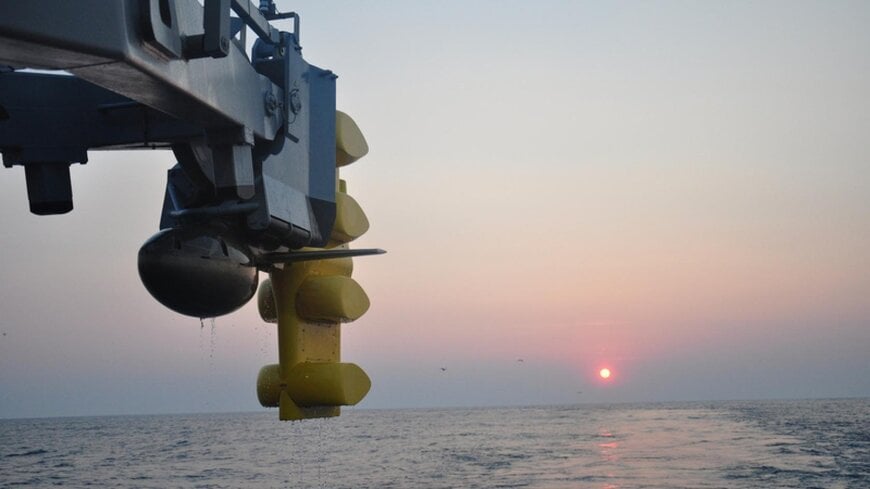
Thales Canada and Lockheed Martin Canada are collaborating to implement the S2087 towed array sonar system for the Royal Canadian Navy. Under this cooperative framework, Thales will supply the sonar hardware and associated support systems, while Lockheed Martin Canada functions as the Combat Systems Integrator. The initiative targets the future River-class destroyers, combining acoustic sensor technology with an open-architecture combat infrastructure to execute anti-submarine warfare operations in complex maritime environments.
Technical Integration and Responsibilities
Lockheed Martin Canada oversees the integration of the S2087 into the combat management framework of the new surface combatants, managing external interfaces and network architectures. Thales is delivering the S2087, a low-frequency, variable depth towed array sonar that is part of the CAPTAS family. The sonar architecture utilizes a variable depth active sensor and a passive receiver array, enabling the detection and tracking of acoustically quiet submarines across extended distances by operating below thermal layers. This division of responsibility ensures that the specialized acoustic data generated by the sensor is correctly processed and distributed across the vessel’s unified combat network.
Operational Deployment and Lifecycle Management
The S2087 system will be deployed on the upcoming River-class destroyers, which will form the primary surface combatant fleet, replacing the legacy Halifax-class frigates and Iroquois-class destroyers. Implementation involves integrating local Canadian industry partners to manage the system’s lifecycle, ensuring that maintenance, upgrades, and operational capabilities remain under domestic control. The sonar is engineered to function in both littoral zones and open-ocean conditions. Its integration supports the naval requirement of maintaining 75 percent fleet serviceability through reliable component design and long-term supportability structures.
System Interoperability and Strategic Impact
The deployment of the S2087 aligns Canadian sensor infrastructure with systems currently operated by the British Royal Navy and those selected for the Australian Hunter-class frigates. Utilizing a shared hardware and acoustic processing baseline establishes functional interoperability among Five Eyes and NATO allied forces during joint operations.
“The S2087 adds a critical layer of capability to the River-class destroyers, ensuring Canada’s surface combatants are equipped to operate effectively in contested maritime environments,” said Ian Krepps, CEO, Thales Canada.
Edited by an industrial journalist, Lekshman Ramdas, with AI assistance.
www.thalesgroup.com
