
www.aero-defence.tech
29
'26
Written on Modified on
Raytheon Delivers Advanced Missile Tracking Sensor for U.S. Space Force
Raytheon's second Next-Gen OPIR sensor enhances missile defense by using advanced optics and algorithms to detect heat signatures from hypersonic weapons and evolving global threats.
www.rtx.com
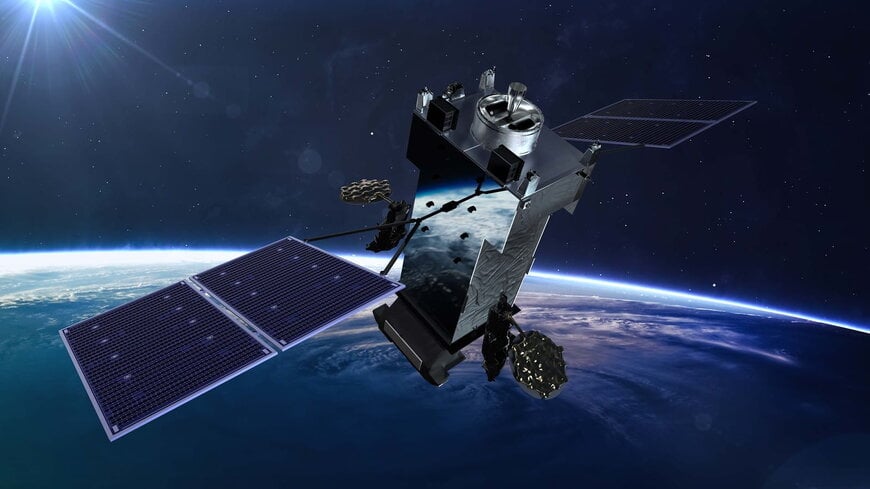
Raytheon, an RTX business, has delivered its second specialized sensor to Lockheed Martin for the U.S. Space Force’s Next-Generation Overhead Persistent Infrared (Next-Gen OPIR) Geosynchronous Earth Orbit (GEO) program. Unlike older surveillance constellations, these payloads utilize sophisticated optical designs and processing algorithms specifically engineered to identify the thermal signatures of hypersonic weapons and other high-velocity threats that bypass traditional detection methods. This delivery marks a critical shift toward a more resilient missile warning architecture that prioritizes increased sensitivity and tracking precision in a congested orbital environment.
Enhancing Strategic Coverage and Orbital Resilience
The Next-Gen OPIR Geosynchronous (NGG) satellites provide a persistent observation capability over mid-latitude regions that current systems cannot maintain with the same level of fidelity. By integrating these high-altitude sensors with emerging assets in Low Earth Orbit and Medium Earth Orbit, the U.S. Space Force establishes a multi-layered defense net. Raytheon’s sensors are the technological core of this mission, offering long-duration observation that allows for earlier detection and continuous monitoring of advanced missile launches across global hotspots.
Milestone Achievement in Missile Defense Modernization
With the completion and delivery of both scheduled sensor payloads, the program has reached a state of readiness for initial launch capability. This milestone validates the move toward high-altitude sensing as a means of unlocking comprehensive mission coverage. As the demand for missile tracking accelerates, the performance of these specific optical payloads ensures that the NGG constellation can effectively counter evolving space-based threats while maintaining a strategic advantage over competing global surveillance technologies.
Edited by Evgeny Churilov, Induportals Media - Adapted by AI.
www.rtx.com
