
www.aero-defence.tech
13
'26
Written on Modified on
Hybrid Drive System for Europe’s Future MGCS Tank
Rolls-Royce Power Systems and ZF collaborate to develop a parallel-hybrid propulsion system for the European Main Ground Combat System (MGCS) program.
www.rolls-royce.com
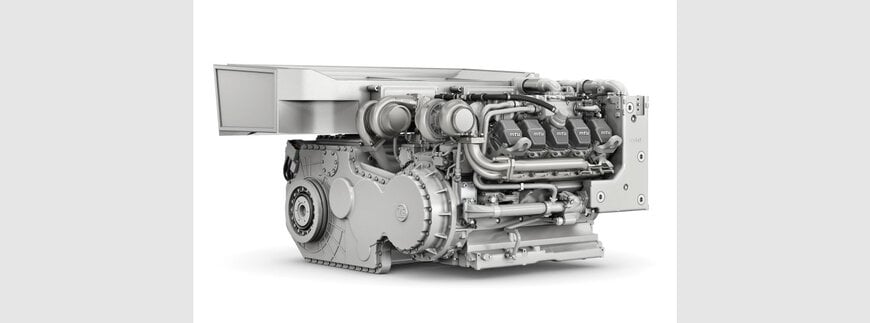
Rolls-Royce Power Systems and ZF are cooperating to develop a hybrid propulsion architecture for the European Main Ground Combat System (MGCS). The project focuses on integrating a high-power diesel engine with an electrified transmission to support the mobility, energy demand, and operational requirements of next-generation armored platforms.
Context of the Cooperation
The German Federal Office of Bundeswehr Equipment, Information Technology and In-Service Support (BAAINBw) has commissioned Rolls-Royce Power Systems to lead the development of the MGCS drive system. The program aims to support the next generation of European land combat platforms, intended to replace existing systems such as the Leopard 2 and Leclerc tanks.
Rolls-Royce Power Systems acts as the general contractor responsible for the hybrid powerpack architecture. ZF participates as a key subsystem supplier, providing an electrified steering transmission designed for heavy tracked vehicles. The cooperation addresses the technical challenge of combining high mechanical output with increased electrical power generation required by modern digital battlefield systems, sensors, and communication infrastructure.
The collaboration brings together complementary expertise in engine development, transmission engineering, and vehicle powertrain integration within the broader framework of European defence industrial cooperation.
Technical Solution and Responsibilities
At the core of the propulsion system is a newly developed 10-cylinder engine from the mtu Series 199 platform, delivering approximately 1,100 kW of mechanical output. The engine forms part of a parallel-hybrid powerpack with a total system output exceeding 1,400 kW.
The engine platform has been optimized for higher power density and improved thermal efficiency. A reinforced fuel injection system enables operation with multiple fuel types, including lower-quality fuel grades, supporting operational resilience. The engine also incorporates modern electronic control systems and an adaptive cooling architecture designed to accommodate additional electrical loads from onboard digital infrastructure.
ZF contributes the eLSG 5000 electrified powershift steering transmission, which integrates drive, braking, and steering functions through by-wire control architecture. The system features a continuously variable superimposed steering mechanism that improves maneuverability in tracked vehicles. The transmission also includes energy recuperation capability and provides electric boost functionality during high-load conditions.
An integrated generator enables the supply of high-voltage subsystems, supporting additional onboard electronics and enabling extended operation in silent watch modes.
Deployment and Integration
The hybrid drive system is being developed as part of the MGCS technology platform, which combines vehicle mobility, command systems, and sensor networks within a unified architecture. The propulsion module is designed for compact installation space and optimized weight distribution to support vehicle protection and payload requirements.
Prototype powerpack units are expected to undergo testing before the end of the decade. Industrial production could follow in the early 2030s, depending on the progress of the MGCS development program.
Applications and Operational Use Cases
The hybrid propulsion system is intended for heavy tracked combat vehicles operating in modern network-enabled battle environments. Key functional applications include improved maneuverability in confined terrain, efficient energy management for onboard electronics, and enhanced operational endurance.
The electrified architecture also supports increased electrical generation capacity required by advanced sensors, communication systems, and digital battlefield management platforms used in defence industrial automation and vehicle digital infrastructure.
Expected Impact
By combining high-output diesel propulsion with electrified transmission and energy management, the system aims to support the evolving energy and mobility requirements of next-generation European land combat systems. The modular design also supports scalability for future upgrades and integration within broader MGCS platform architectures.
Edited by an industrial journalist, Sucithra Mani — AI-powered.
www.rolls-royce.com
