
www.aero-defence.tech
16
'25
Written on Modified on
ABB, HDF Energy to Develop Megawatt-Scale Fuel Cell Systems for Seagoing Vessels
A joint development program targets high-power hydrogen fuel cell units for large ships, supporting maritime decarbonization and hybrid power systems from 2030 onward.
global.abb
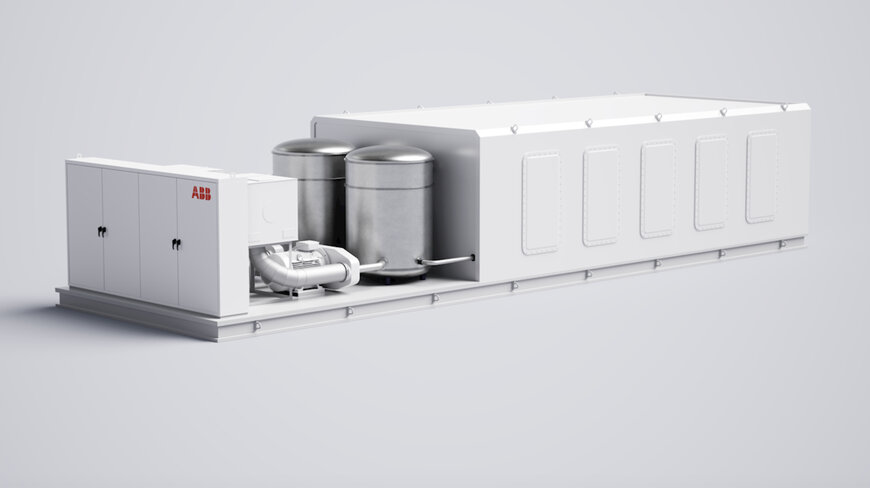
Joint Development Targets High-Power Marine Fuel Cells
ABB and HDF Energy have signed a joint development agreement to create a high-power fuel cell unit designed specifically for marine applications. The initiative aims to enable megawatt-scale hydrogen fuel cell installations for large seagoing vessels, including container feeder ships and liquefied hydrogen carriers, advancing low-emission propulsion and onboard power generation.
The agreement builds on a Memorandum of Understanding signed by the two companies in 2020, which outlined early collaboration on hydrogen-based marine power solutions¹. Pilot installations are expected between 2028 and 2029, with serial production planned to begin in 2030.
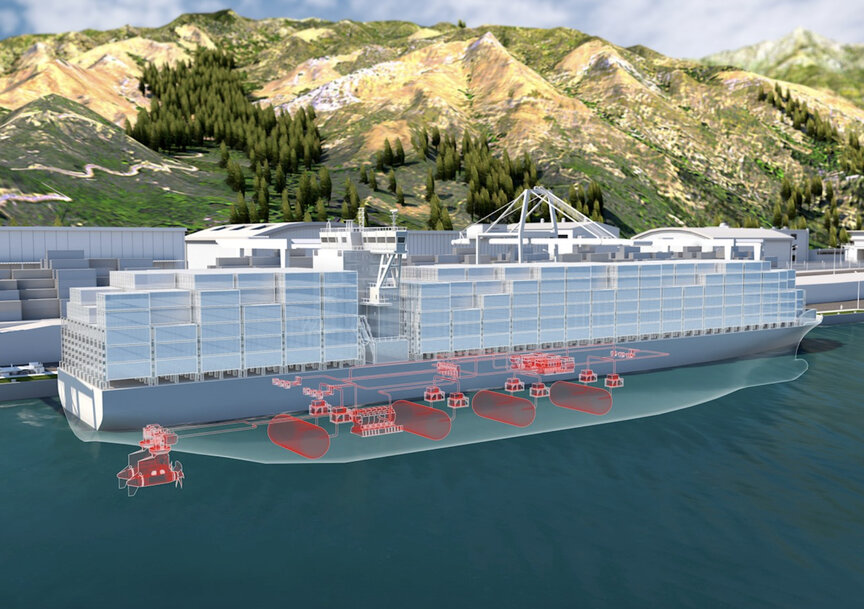
Concept illustration of a large vessel powered by fuel cells. Image credit ABB
System Integration for Large and Hybrid Vessels
The collaboration combines complementary technical expertise. HDF Energy will contribute its experience in the design and manufacturing of large-scale fuel cell systems, while ABB will deliver power converters, power management solutions, and full electrical and control integration. Both companies will jointly define system specifications, conceptual designs, and potential commercial deployment models.
The fuel cell unit is intended to support a wide range of vessel architectures. In newbuild ships, it may enable fully hydrogen-electric or hybrid propulsion concepts. In existing fleets, the system could replace conventional diesel auxiliary generator sets, reducing emissions without requiring full propulsion system replacement.
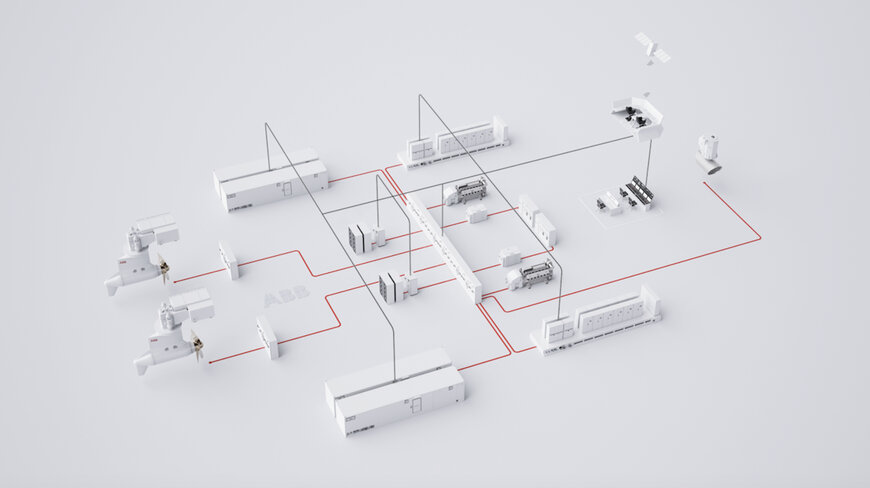
Example of a power train with six large fuel cell units, four in containers and two on skids - Image credit ABB
Enabling Maritime Decarbonization
Fuel cells offer a pathway to significantly lower emissions in maritime operations, particularly when operated with green hydrogen. By eliminating combustion at the point of use, the technology can reduce greenhouse gas emissions as well as local pollutants such as nitrogen oxides and particulate matter.
The decarbonization impact is expected to be most significant for vessels operating in emission-controlled areas or on short- to medium-distance routes where hydrogen supply infrastructure can be established.
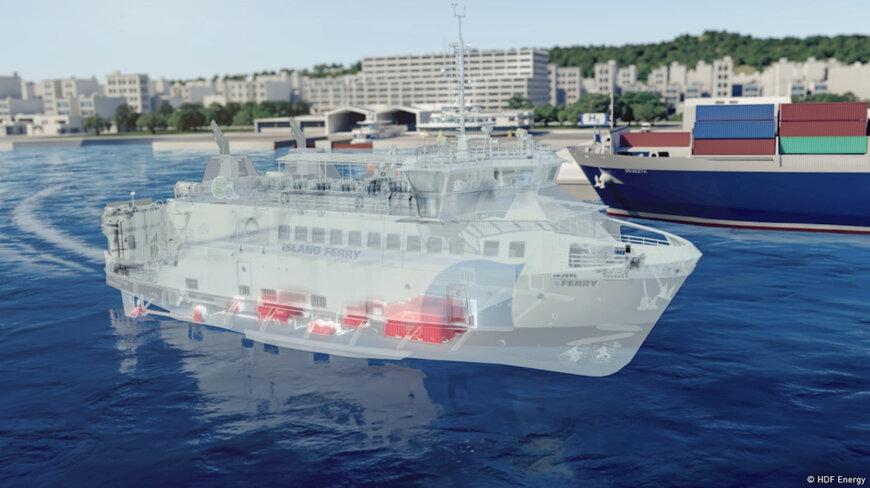
Concept illustration of a ferry powered by fuel cells. Image credit HDF Energy
Integration with Hybrid Power and Shore Systems
ABB’s Onboard DC Grid™ power system will enable seamless integration of the fuel cell unit with batteries and other onboard power sources. In hybrid configurations, the fuel cells can extend operational range, improve redundancy, and optimize overall energy efficiency.
Beyond shipboard applications, the unit may also support shore power and charging systems in ports. By supplying auxiliary or peak power where grid capacity is constrained, the fuel cell technology could contribute to broader port electrification efforts.
Roadmap Toward Commercial Deployment
With pilot installations planned later this decade and series production targeted for 2030, the ABB–HDF collaboration represents a step toward making high-power fuel cells a commercially viable solution for large vessels. The project reflects growing industry interest in hydrogen-based technologies as part of the maritime sector’s long-term transition toward lower-emission operations.
www.abb.com
