
www.aero-defence.tech
08
'26
Written on Modified on
Airbus & MTU Aero Engines Advance Hydrogen Fuel Cell Propulsion for Aviation
This collaboration will accelerate development and commercialization of fully electric hydrogen fuel cell engine technology for next-generation commercial aircraft.
www.airbus.com
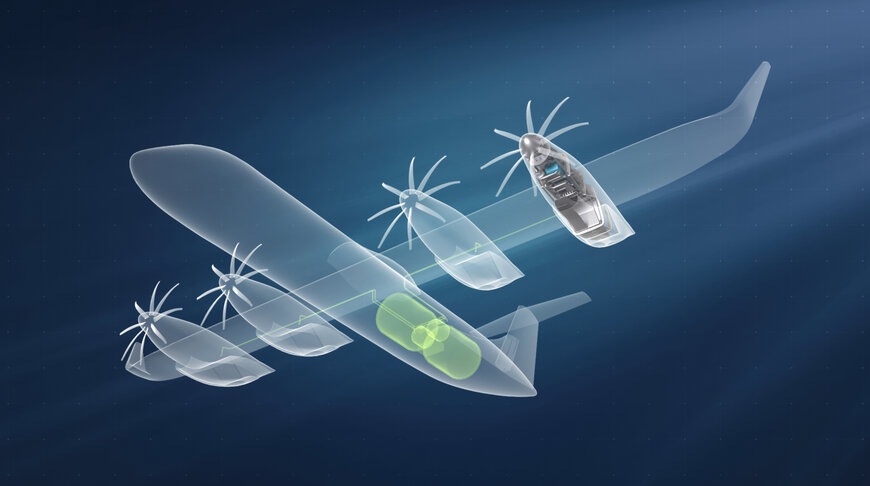
Airbus and MTU Aero Engines are collaborating to design, test, and certify a fully electric hydrogen fuel cell engine for the commercial aviation sector. This joint venture targets the direct integration of hydrogen-based propulsion systems into commercial aircraft to achieve climate-neutral flight.
Eliminating Inflight Emissions
The primary application area is the commercial aviation industry. The specific technical use case involves replacing traditional combustion engines with electric propulsion systems powered by hydrogen fuel cells. The resulting operational benefits include the complete elimination of inflight carbon dioxide and nitrogen oxide emissions, as the system generates only water vapor as a byproduct.
Overcoming Industrial Integration Challenges
The aerospace sector faces the operational challenge of decarbonizing flight while maintaining strict safety, certification, and reliability standards. To address the complexity of developing hydrogen powertrains at an industrial scale, Airbus and MTU are consolidating their respective engineering resources. Airbus contributes its commercial aircraft program architecture, liquid hydrogen storage capabilities, and cryogenic research. MTU Aero Engines provides its expertise in fuel cell technology development, engine integration, validation, and maintenance.
Electrochemical Powertrain Architecture
The proposed propulsion system generates electricity through an electrochemical reaction between hydrogen and oxygen, which subsequently drives an electric motor. Responsibilities are divided between the partners to cover the entire life cycle of the hardware. MTU oversees the development of the Flying Fuel Cell design, stack manufacturing for the demonstrator, and the eMoSys electric motor. Airbus integrates its data from earlier powertrain testing and fuel cell prototypes to finalize the system architecture and ensure compatibility with aircraft airframes.
Testing Infrastructure and Implementation Timeline
Following a Memorandum of Understanding signed in June 2025, and subject to standard regulatory approvals, the new organizational entity is scheduled to commence operations in 2027. Implementation and testing phases are underway, with testing infrastructure already operational. MTU has successfully initiated testing of the electric motor and operates its first dedicated test cell in Munich, Germany. The collaboration is engineered to transition advanced hydrogen fuel cell research into industrialized, certifiable powertrain solutions, while also establishing the necessary digital infrastructure and regulatory frameworks to support scaleable zero-emission flight operations.
Edited by Natania Lyngdoh, Induportals editor, assisted by AI.
www.airbus.com
