
www.aero-defence.tech
26
'26
Written on Modified on
Hydra Frigate Combat System Modernization
Thales and the Hellenic Navy are modernizing Greece’s Hydra-class frigates through mission system upgrades and local industrial integration.
www.thalesgroup.com
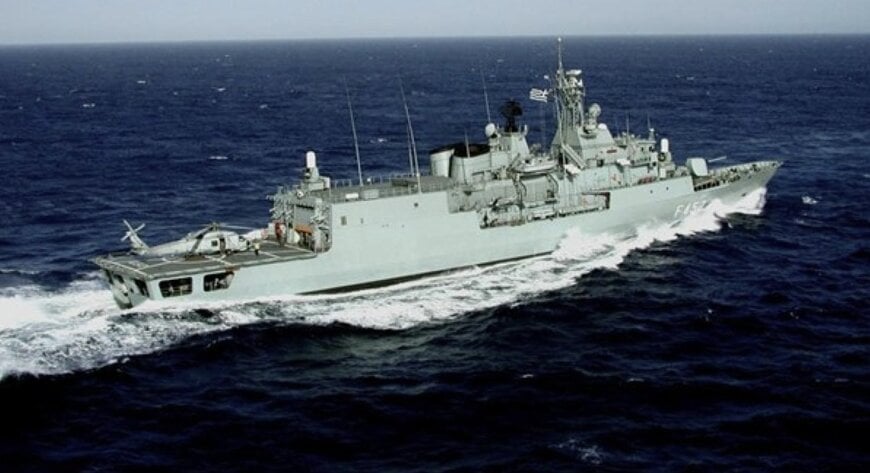
MEKO 200HNHydra Frigate, ©Hellenic Navy
Thales and the Greek General Directorate for Defence Investments and Armaments (GDDIA) have initiated a naval modernization programme focused on upgrading the mission systems of the Hellenic Navy’s Hydra-class frigates. The cooperation combines combat system integration, radar modernization, fire control upgrades, and long-term local support to extend the operational life and combat effectiveness of four multi-role naval platforms operating within NATO-aligned defence environments.
Background and Operational Requirement
The Hellenic Navy’s four Hydra-class frigates, based on the MEKO 200 design, have been in service since the late 1990s. Built in Germany and Greece with existing Thales systems onboard, the vessels required a mid-life modernization to maintain interoperability, sensor performance, and mission readiness in evolving maritime operational environments.
The programme addresses the technical challenge of upgrading legacy naval combat infrastructure while maintaining platform availability and ensuring compatibility with current defence architectures. Given the complexity of integrating mission-critical combat systems, sensors, and support infrastructure, cooperation between the defence authority, Thales, and Greek industrial partners was required.
Technical Architecture and Partner Roles
Under the contract signed with GDDIA, Thales is responsible for the mission system modernization, including system integration, software upgrades, and long-term support services. Greek industry will participate in implementation and sustainment activities through localized engineering and service support.
The technical upgrade centres on three core systems: the latest release of the Tacticos Combat Management System, the NS100 active electronically scanned array radar, and the STIR 1.2 EO MK2 fire control sensor.
Tacticos functions as the vessel’s central command, control, and decision-support platform, managing sensor fusion, tactical awareness, and weapons coordination. The updated software platform is already deployed across more than 25 naval forces, supporting interoperability and mature operational workflows.
The NS100 radar introduces software-defined AESA architecture with dual-axis multi-beam operation, enabling medium-to-long-range surveillance, target tracking, and weapon support functions. The STIR 1.2 EO MK2 complements this capability through dual-frequency radar tracking combined with electro-optical sensing, including infrared and laser-based targeting support for precision fire control.
Implementation and Industrial Localization
The modernization will be implemented as a mid-life upgrade programme for all four vessels. Thales will execute project delivery and support activities through its local presence in Greece, with continued technical cooperation involving domestic industry.
Localization appears to be a central programme requirement, both to support implementation efficiency and to establish long-term sustainment capability. Following upgrade completion, Thales’ local service infrastructure and Greek partners will continue supporting fleet readiness and maintenance operations.
Operational Impact
The modernization is designed to improve situational awareness, combat decision-making, and fire control precision while extending vessel operational viability. From a systems engineering perspective, replacing legacy combat subsystems with software-defined and NATO-proven architectures reduces obsolescence risk, improves upgrade flexibility, and simplifies long-term interoperability with allied naval forces.
Edited by Aishwarya Mambet, Induportals Editor, with AI assistance.
www.thalesgroup.com
Thales and the Greek General Directorate for Defence Investments and Armaments (GDDIA) have initiated a naval modernization programme focused on upgrading the mission systems of the Hellenic Navy’s Hydra-class frigates. The cooperation combines combat system integration, radar modernization, fire control upgrades, and long-term local support to extend the operational life and combat effectiveness of four multi-role naval platforms operating within NATO-aligned defence environments.
Background and Operational Requirement
The Hellenic Navy’s four Hydra-class frigates, based on the MEKO 200 design, have been in service since the late 1990s. Built in Germany and Greece with existing Thales systems onboard, the vessels required a mid-life modernization to maintain interoperability, sensor performance, and mission readiness in evolving maritime operational environments.
The programme addresses the technical challenge of upgrading legacy naval combat infrastructure while maintaining platform availability and ensuring compatibility with current defence architectures. Given the complexity of integrating mission-critical combat systems, sensors, and support infrastructure, cooperation between the defence authority, Thales, and Greek industrial partners was required.
Technical Architecture and Partner Roles
Under the contract signed with GDDIA, Thales is responsible for the mission system modernization, including system integration, software upgrades, and long-term support services. Greek industry will participate in implementation and sustainment activities through localized engineering and service support.
The technical upgrade centres on three core systems: the latest release of the Tacticos Combat Management System, the NS100 active electronically scanned array radar, and the STIR 1.2 EO MK2 fire control sensor.
Tacticos functions as the vessel’s central command, control, and decision-support platform, managing sensor fusion, tactical awareness, and weapons coordination. The updated software platform is already deployed across more than 25 naval forces, supporting interoperability and mature operational workflows.
The NS100 radar introduces software-defined AESA architecture with dual-axis multi-beam operation, enabling medium-to-long-range surveillance, target tracking, and weapon support functions. The STIR 1.2 EO MK2 complements this capability through dual-frequency radar tracking combined with electro-optical sensing, including infrared and laser-based targeting support for precision fire control.
Implementation and Industrial Localization
The modernization will be implemented as a mid-life upgrade programme for all four vessels. Thales will execute project delivery and support activities through its local presence in Greece, with continued technical cooperation involving domestic industry.
Localization appears to be a central programme requirement, both to support implementation efficiency and to establish long-term sustainment capability. Following upgrade completion, Thales’ local service infrastructure and Greek partners will continue supporting fleet readiness and maintenance operations.
Operational Impact
The modernization is designed to improve situational awareness, combat decision-making, and fire control precision while extending vessel operational viability. From a systems engineering perspective, replacing legacy combat subsystems with software-defined and NATO-proven architectures reduces obsolescence risk, improves upgrade flexibility, and simplifies long-term interoperability with allied naval forces.
Edited by Aishwarya Mambet, Induportals Editor, with AI assistance.
www.thalesgroup.com
