
www.aero-defence.tech
18
'26
Written on Modified on
U-2 Electronic Warfare System Sustainment and Modernization
BAE Systems and U.S. Air Force extend cooperation to sustain and upgrade the AN/ALQ-221 defensive system for U-2 reconnaissance aircraft.
www.baesystems.com
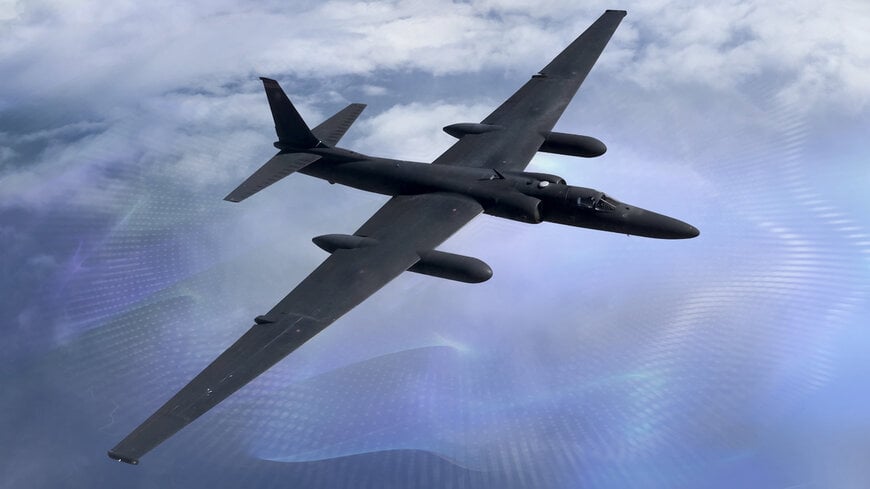
BAE Systems and the U.S. Air Force are cooperating to sustain and modernize the AN/ALQ-221 Advanced Defensive System installed on the U-2 reconnaissance aircraft. The effort focuses on maintaining electronic warfare capabilities and adapting the system to evolving threat environments in high-altitude intelligence missions.
Context of the Cooperation
The cooperation involves BAE Systems, a developer of electronic warfare (EW) systems, and the U.S. Air Force, operator of the U-2 “Dragon Lady” reconnaissance platform. The contract was issued through Robins Air Force Base, which manages lifecycle sustainment for U.S. Air Force aircraft systems.
The operational challenge addressed is the continuous evolution of radar-guided and electronically coordinated threats in contested airspace. The U-2 platform, designed for long-endurance, high-altitude surveillance, requires a defensive suite capable of detecting, classifying, and countering modern electromagnetic threats. Sustaining such a system requires both hardware maintenance and ongoing software adaptation, making long-term industrial cooperation necessary.
Technical Solution and Responsibilities
The AN/ALQ-221 system integrates radar warning receivers, electronic countermeasures, and onboard signal processing into a unified electronic warfare architecture. It uses long-range sensors to detect threat emissions and processes signals in real time to identify radar types and engagement modes.
BAE Systems is responsible for:
- Continuous field service support of the EW system
- Repair and maintenance to ensure system availability
- Software updates to incorporate new threat libraries and countermeasure techniques
The system operates through modular subsystems connected via an open avionics architecture. This design supports incremental upgrades, enabling rapid integration of new algorithms and threat detection capabilities without requiring full system replacement.
Deployment and Integration
The AN/ALQ-221 is deployed onboard the U-2 aircraft fleet and integrated with the aircraft’s mission systems. Its operation is coordinated with onboard sensors and communication systems to support digital infrastructure used in intelligence, surveillance, and reconnaissance (ISR) missions.
Sustainment activities are conducted at BAE Systems’ facility in Nashua, New Hampshire, alongside field service representatives who provide on-site technical support. Updates are implemented through scheduled maintenance cycles, ensuring compatibility with existing avionics and mission software.
Applications and Use Cases
The system is applied in high-altitude ISR missions where aircraft operate in or near contested airspace. Key use cases include:
Deployment and Integration
The AN/ALQ-221 is deployed onboard the U-2 aircraft fleet and integrated with the aircraft’s mission systems. Its operation is coordinated with onboard sensors and communication systems to support digital infrastructure used in intelligence, surveillance, and reconnaissance (ISR) missions.
Sustainment activities are conducted at BAE Systems’ facility in Nashua, New Hampshire, alongside field service representatives who provide on-site technical support. Updates are implemented through scheduled maintenance cycles, ensuring compatibility with existing avionics and mission software.
Applications and Use Cases
The system is applied in high-altitude ISR missions where aircraft operate in or near contested airspace. Key use cases include:
- Detection of ground-based radar systems
- Electronic countermeasures against tracking and targeting systems
- Real-time situational awareness for mission planning and execution
These capabilities support mission continuity and aircraft survivability during extended reconnaissance operations.
Results and Expected Impact
The sustainment and modernization approach maintains operational readiness by ensuring system availability and adaptability. Software-driven updates enable the EW system to respond to newly identified threat signatures without hardware redesign.
The modular and open architecture reduces integration complexity and supports lifecycle extension, allowing the U-2 platform to remain operationally relevant. The cooperation demonstrates how continuous system sustainment and incremental upgrades can maintain performance in rapidly evolving electromagnetic environments.
Edited by an industrial journalist, Sucithra Mani, with AI assistance.
www.baesystems.com
Results and Expected Impact
The sustainment and modernization approach maintains operational readiness by ensuring system availability and adaptability. Software-driven updates enable the EW system to respond to newly identified threat signatures without hardware redesign.
The modular and open architecture reduces integration complexity and supports lifecycle extension, allowing the U-2 platform to remain operationally relevant. The cooperation demonstrates how continuous system sustainment and incremental upgrades can maintain performance in rapidly evolving electromagnetic environments.
Edited by an industrial journalist, Sucithra Mani, with AI assistance.
www.baesystems.com
