
www.aero-defence.tech
15
'26
Written on Modified on
Open Standards Frameworks for Modular Defense Systems
LCR Embedded Systems explains how consensus-based technical standards support modular, interoperable systems for defense platforms in MOSA-aligned architectures.
www.lcrembeddedsystems.com
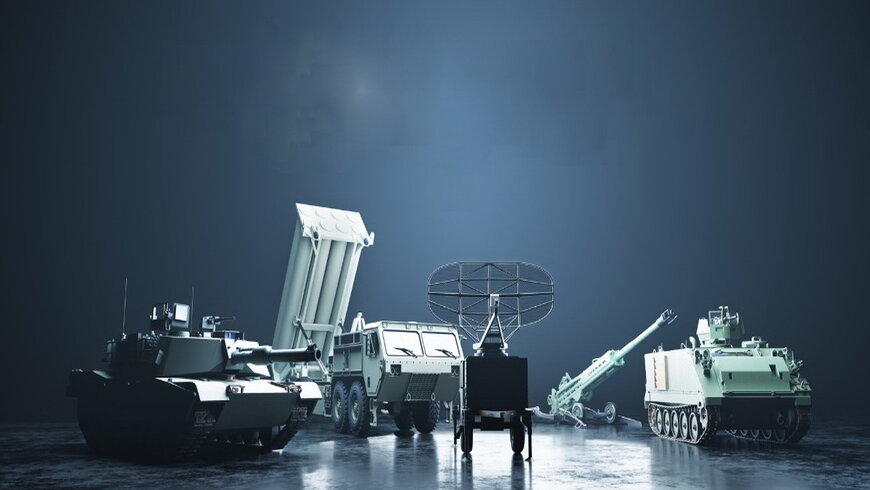
In advancing the U.S. Department of Defense’s Modular Open Systems Approach (MOSA), consensus-based open standards such as VPX, OpenVPX, SOSA and related MIL-STD specifications define common interfaces and structural frameworks that enable modular, interoperable electronic systems across defense applications. These open standards are increasingly relevant for design and integration of rugged computing platforms in C5ISR, electronic warfare, sensors and mission-critical embedded platforms.
Defining Open Standards for MOSA
Open standards in the context of MOSA are consensus-based technical specifications developed by industry bodies and standards organizations to enable interoperability, interchangeability and reuse of system components across suppliers. By prescribing mechanical, electrical, thermal and signal interfaces, these standards reduce integration complexity and support rapid system upgrades and lifecycle sustainability without extensive redesign or proprietary dependencies.
At the core, the VPX family of standards provides the hardware baseline for rugged, high-performance embedded computing. VITA 46, commonly known as VPX, defines mechanical, electrical and high-speed signaling frameworks that replace legacy bus architectures with robust embedded systems designs suitable for harsh defense environments. Building on this, VITA 65 (OpenVPX) adds system-level rules such as slot profiles and backplane definitions to ensure modules from different vendors interoperate predictably within a chassis.
The Sensor Open Systems Architecture (SOSA) framework integrates these lower-level standards into a higher-level architectural and business guideline tailored for sensor and embedded computing subsystems in defense platforms. SOSA aligns mechanical and electrical interfaces with functional requirements to enhance compatibility, scalability and long-term viability of modular systems. While not all VPX or OpenVPX implementations are SOSA compliant, conformance to SOSA is becoming essential for applications that demand strict interoperability and upgrade paths across suppliers.
Supporting Standards and System Reliability
Complementary standards such as VITA 48 series address the thermal and mechanical considerations of conduction-, liquid- and airflow-cooled modules, enabling high-power computing modules to operate reliably within defined thermal envelopes. Open standards also extend beyond form factor into environmental and electromagnetic requirements: MIL-STD-461 sets electromagnetic compatibility (EMC) controls; MIL-STD-810 defines ruggedization criteria for temperature extremes, vibration, shock and ingress protection; and MIL-STD-1275 specifies power integrity and stability in military power environments. Compliance to these specifications ensures that modular hardware designed to open standards can withstand the operational stresses of airborne, ground and maritime platforms.
The C5ISR Modular Open Suite of Standards (CMOSS), a U.S. Army initiative based on VPX/OpenVPX and SOSA, further exemplifies how open standards address size, weight, power and cost (SWaP-C) requirements while realizing interoperability across command, control, communications, computers, cyber, intelligence, surveillance and reconnaissance systems. CMOSS reduces reliance on proprietary hardware by prescribing modular interfaces that support multi-vendor ecosystems.
Technical Implications for Defense Systems Integration
For engineers and integrators tasked with deploying MOSA-aligned systems, open standards influence decisions at multiple levels of design and integration. Standardized interfaces reduce non-recurring engineering costs by enabling reuse of chassis, backplanes and subsystem modules. They support structured testing and qualification across suppliers, ensuring that components from disparate sources meet defined environmental and performance criteria. In mission-critical applications such as electronic warfare and sensor fusion, these standards also facilitate scalable upgrades as data processing demands accelerate.
Understanding and applying open standards such as VPX, OpenVPX, SOSA and associated MIL-STD requirements is increasingly necessary for delivering adaptable, sustainable systems across modern defense platforms. Their role in defining interoperability, mechanical and electrical interfaces, and environmental robustness underpins the modularity goals of MOSA, enabling technically consistent integration across complex system architectures.
www.lcrembeddedsystems.com
