
www.aero-defence.tech
17
'25
Written on Modified on
Long-Range Air Surveillance Radar for Denmark
Lockheed Martin will supply TPY-4 ground-based radars to Denmark to strengthen long-range air defense and NATO interoperability.
www.lockheedmartin.com
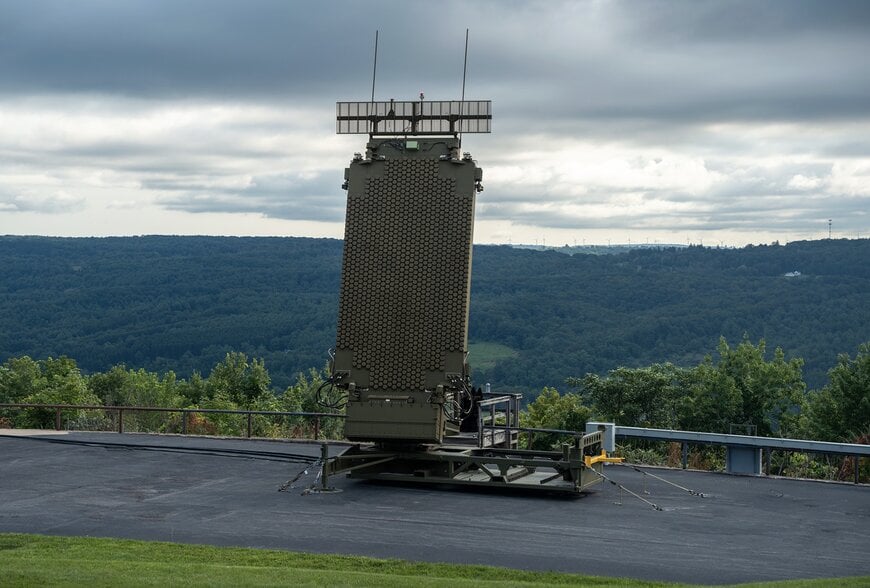
Denmark has selected Lockheed Martin’s TPY-4 ground-based air surveillance radar to enhance national and allied air defense, expanding the country’s long-range detection and tracking capabilities within NATO frameworks.
Radar selection and scope
The Danish Acquisition and Logistics Organization (DALO) has chosen the TPY-4 next-generation radar to support Denmark’s long-range air defense requirements. The agreement includes delivery of three TPY-4 systems, with an option for a fourth, to be operated by the Royal Danish Air Force.
With this decision, Denmark becomes the fifth nation to adopt the TPY-4, joining other NATO partners deploying the system as part of integrated air and missile defense architectures.
Technical characteristics and integration
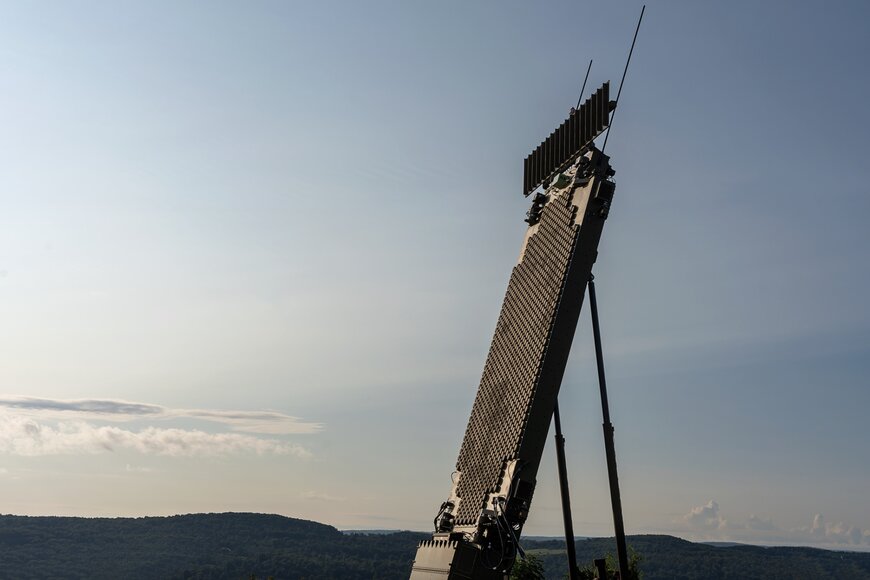
TPY-4 is a solid-state, phased-array, ground-based radar designed to detect and track airborne targets in real time over long ranges. Its open-architecture design supports integration with existing air and missile defense command-and-control systems, enabling data sharing across national and allied networks.
Such interoperability is a core requirement for NATO air defense, where sensor data from multiple nations must be fused to provide a common operational picture and support coordinated responses to air and missile threats.
Mobility and operational use
The radar is designed for mobility and reliability, allowing deployment in different geographic and operational contexts. Mobile long-range radars are typically used to extend coverage, fill surveillance gaps, and provide redundancy within layered air defense systems.
These characteristics support both national airspace monitoring and contribution to NATO’s collective defense posture, particularly in regions where threat vectors and operational requirements can change rapidly.
European industrial participation
European industry plays a defined role in the TPY-4 program. Lockheed Martin works with a network of European suppliers, positioning the radar as part of a transatlantic industrial collaboration rather than a purely domestic U.S. program.
Kongsberg Defence & Aerospace (KDA) has been a key partner, contributing to earlier TPY-4 production through delivery of the Platform Electronics System. KDA has also assembled the first TPY-4 produced by an international partner, marking a step toward broader industrial participation in future radar deliveries.
Context within NATO air defense modernization
The adoption of TPY-4 by Denmark reflects a wider NATO trend toward modernizing ground-based air surveillance with digitally enabled, interoperable sensors. As air threats diversify to include faster aircraft, cruise missiles, and unmanned systems, long-range radars with real-time tracking and open interfaces are becoming central to integrated deterrence strategies.
Within this context, Denmark’s selection of TPY-4 strengthens both national air defense and the shared situational awareness required for collective security across the alliance.
www.lockheedmartin.com
