
www.aero-defence.tech
21
'26
Written on Modified on
Bell Boeing V-22 readiness increases through targeted nacelle hardware and wiring improvements
Bell Textron announces that its Nacelle Improvement Program has reduced CV-22 maintenance hours by 75 percent for the Air Force Special Operations Command.
www.bellflight.com
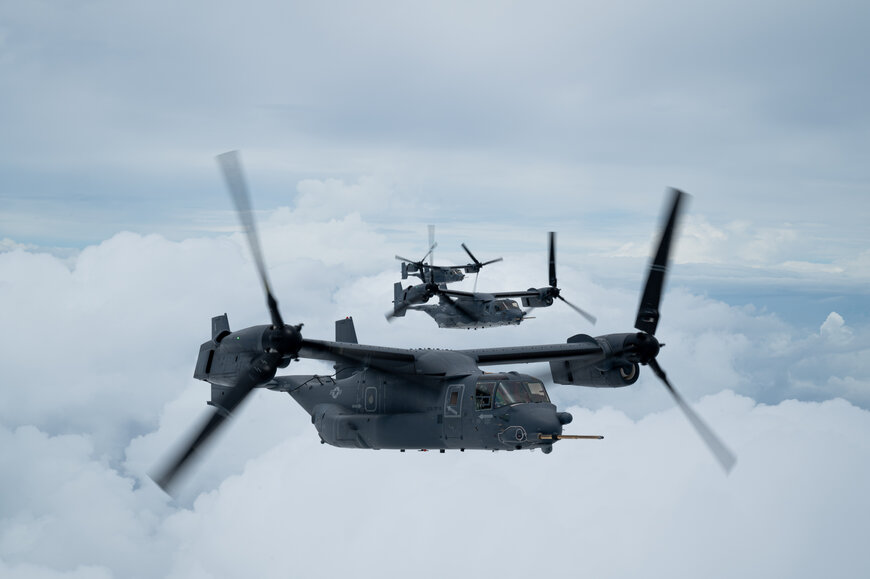
The Air Force Special Operations Command (AFSOC) has integrated the Nacelle Improvement (NI) Program to address the maintenance complexity of its CV-22 Osprey fleet. The nacelle is a critical structural component that houses the power systems required for vertical take-off, landing, and the transition to forward flight. Prior to this deployment, AFSOC sought to reduce the high volume of maintainer time required to keep the aircraft mission-ready.
Technical Modernization of Power Components
The NI program focuses on modernizing the aircraft’s nacelles by simplifying complex wiring architectures and enhancing primary structural components. These upgrades were developed using direct feedback from fleet maintainers to identify specific points of mechanical and electrical failure.
By streamlining the internal configuration of the nacelle, the solution provider aimed to improve long-term reliability and sustainability. The deployment process for these modifications is centralized at the Amarillo Assembly Center (AAC), where Bell executes the hardware upgrades for various V-22 variants.
Quantifiable Maintenance and Readiness Results
Data collected from more than 10,000 flight hours indicates that the program has significantly impacted operational efficiency. The first nine modified CV-22s at Cannon Air Force Base showed a 75 percent reduction in maintenance hours.
In total, the Nacelle Improvement has saved AFSOC more than 24,000 maintenance hours, representing over 1,000 days of saved maintainer time. This reduction in grounding time has led to a 10 percent increase in overall CV-22 readiness, directly expanding the availability of aircraft for training and active missions. These structural and electrical enhancements are intended to support the Osprey’s flight profile for the next 30 years.
Edited by an industrial journalist, Lekshman Ramdas, with AI assistance.
www.bellflight.com
